7 Things to Know Before Joining OLSP
7 Things to Know Before Joining OLSP
Affiliate platforms can look simple from the outside. You get a link, share it, and wait for commissions. The real decision has more moving parts. Before joining, look at the product path, the work required, the costs that may follow, and the kind of customer you want to serve.

1. MegaLink is the entry point
Turn this point into a short decision exercise. Write down the audience, problem, mechanism, cost, recurring work, and next action. Then choose one step that can produce evidence without requiring a large commitment. This keeps the recommendation grounded in fit.
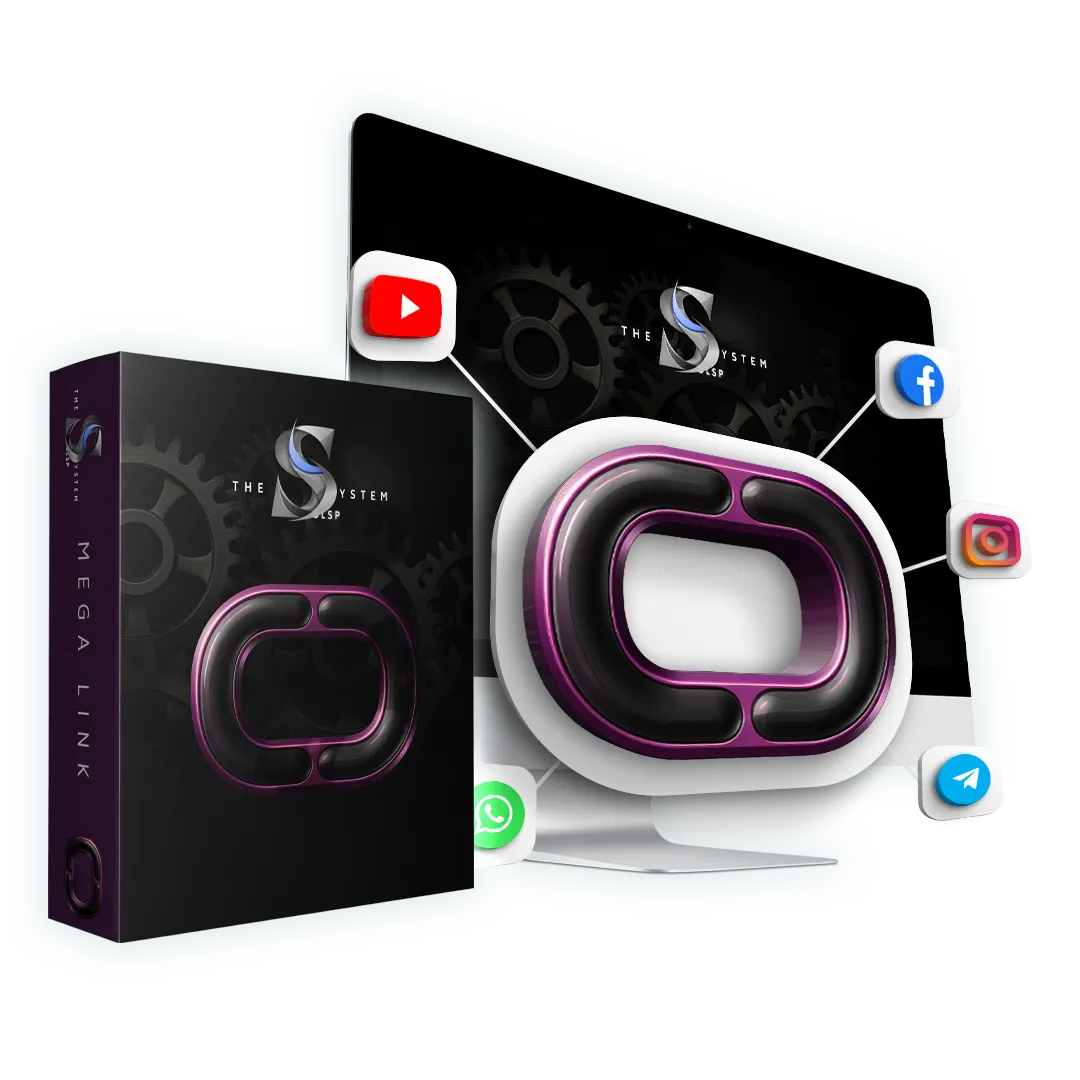
MegaLink is listed as a $7 one-time starting product. It includes access to a product library, training, live coaching, and a personal tracked link. That makes it an entry point into a larger system, not a complete business by itself. The link still needs traffic and a reason for someone to click.
2. The commission path depends on customer action
The strongest version of this point names a real reader and a recognizable situation. Ask what that person has already tried, what they can afford, and what would make them trust the recommendation. Then connect the product to that problem.
The tracked link can direct a visitor toward products and events in the platform's catalog. A commission depends on a visitor buying something. Clicks, views, and social activity don't create income on their own. Your content needs to reach people with a relevant problem and give them enough context to make a decision.
3. Training doesn't replace practice
Community and training products should be judged by the weekly behavior they change. Check the schedule, current features, access rules, cancellation terms, and the bottleneck you want to solve. Support may help someone who needs structure or feedback, while another.
Training can shorten the time spent guessing, but it can't publish your content, answer customer questions, or review your numbers. Plan for repeated work in research, writing, distribution, and follow-up. If you won't do those tasks for several weeks, the program probably won't fit your current schedule.
4. Upgrades need their own decision
Turn this point into a short decision exercise. Write down the audience, problem, mechanism, cost, recurring work, and next action. Then choose one step that can produce evidence without requiring a large commitment. This keeps the recommendation grounded in fit.
Community Builders and Live Profit Builders sit above the entry product. They include different combinations of software, workshops, events, and promotional support. Treat each upgrade as a separate purchase. Don't assume an upgrade is required before you've learned how the entry path performs for you.
Learn more about OLSP MegaLink and exclusive infoSpike bonuses
5. Traffic is still your responsibility
Traffic deserves its own diagnosis. Ask where the visitor comes from, why they would care, what action they take next, and how you'll record the response. Search, email, social, communities, referrals, and ads each create different work and risk. A.
The platform may include traffic tools or training, but you still need a distribution plan. That could mean search articles, email, social content, communities, or paid ads. Each route has a cost in time, money, or attention. Pick one route that fits your resources instead of trying all of them at once.
6. Published prices can change
Turn this point into a short decision exercise. Write down the audience, problem, mechanism, cost, recurring work, and next action. Then choose one step that can produce evidence without requiring a large commitment. This keeps the recommendation grounded in fit.
The catalog includes prices for several tools, but some pages show different amounts for the same tier. Check the current checkout page before relying on a number. That small step keeps your budget and article claims grounded in what a buyer can actually see.
7. Your first goal should be evidence
Turn this point into a short decision exercise. Write down the audience, problem, mechanism, cost, recurring work, and next action. Then choose one step that can produce evidence without requiring a large commitment. This keeps the recommendation grounded in fit.
The sensible first milestone isn't a large income claim. It's evidence that a specific audience will read, click, opt in, or buy. Choose one audience, publish a small set of helpful pieces, track the response, and decide from that record.
Joining can make sense when you want a guided entry point and accept the work that follows. It can be a poor fit when you're looking for automatic income. Give the model a narrow test before adding paid tools or upgrades.
Learn more about OLSP MegaLink and exclusive infoSpike bonuses